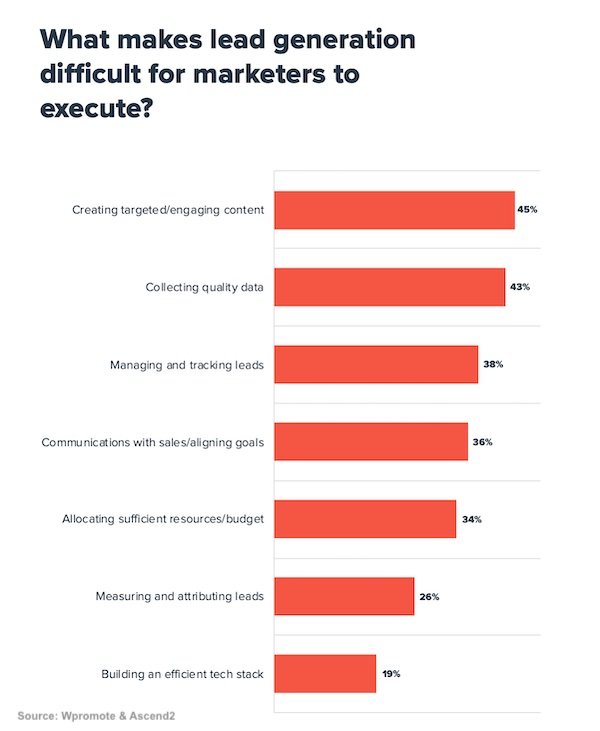
B2B lead generation is often a high-stakes game, fraught with missteps and missed opportunities that can stall growth and drain resources. If you've ever felt like you're running on a treadmill, generating leads but not truly converting them, or perhaps not even knowing where to start, you're not alone. The journey to Overcoming Common B2B Lead Gen Challenges with Mentorship isn't just a smart move; it’s rapidly becoming a strategic imperative for businesses aiming for sustainable, predictable revenue.
This isn't about simply reading a few articles or attending a webinar; it's about gaining real-world wisdom from someone who has navigated these treacherous waters before. A mentor provides an invaluable compass, helping you steer clear of common pitfalls and chart a direct course to success.
At a Glance: Why Mentorship is Your B2B Lead Gen Secret Weapon
- Clarity on Goals: Define your strategy, target market, and success metrics with expert guidance.
- Proven Best Practices: Learn effective methods, tools, and trends while avoiding costly mistakes.
- Consistent Accountability: Stay motivated, track progress, and continually refine your approach.
- Expanded Network: Connect with key professionals, potential clients, and strategic partners.
- Faster Problem-Solving: Tackle common B2B lead gen hurdles with experienced, tailored advice.
- Increased ROI: Convert more qualified leads, reduce acquisition costs, and drive predictable MRR.
The Engine Room: Understanding B2B Lead Generation
Before we dive into how mentorship can transform your efforts, let's ground ourselves in what B2B lead generation truly entails. It's the systematic process of identifying and attracting potential business clients. Think of it as fueling your sales pipeline with qualified opportunities, a critical engine for consistent Monthly Recurring Revenue (MRR) growth. Effective lead generation helps your sales team prioritize high-value prospects, builds indelible brand credibility, and significantly reduces customer acquisition costs over time.
But it’s rarely a straightforward path. Many teams struggle with everything from defining their target audience to measuring actual revenue impact. This is precisely where the wisdom of an experienced mentor becomes a game-changer.
How a Mentor Ignites Your Lead Gen Prowess
A mentor isn't just an advisor; they're a strategic partner, a sounding board, and a source of accelerated learning. Someone with deep experience and expertise in B2B lead generation can fundamentally improve your skills and outcomes in four pivotal ways:
- Clarify Goals and Strategy: Without a clear destination, any road will do – and likely lead nowhere productive. A mentor helps you define your lead generation strategy, pinpoint your ideal target market, establish tangible success metrics, and ensure these are all tightly aligned with your broader business vision and values. They ask the tough questions, pushing you beyond superficial answers to foundational truths.
- Share Proven Best Practices: Why reinvent the wheel or learn through expensive trial and error? Mentors bring a treasure trove of knowledge, teaching you proven methods, techniques, tools, and emerging trends. They illuminate shortcuts and, more importantly, highlight the common mistakes to meticulously avoid. This isn't just theoretical knowledge; it's battle-tested wisdom.
- Provide Accountability and Motivation: The lead generation journey can be a grind. A mentor acts as your built-in accountability partner, helping you set realistic goals, rigorously track your progress, and encouraging you to experiment with new approaches when existing ones falter. They offer motivation when setbacks occur and celebrate your achievements, keeping your morale high and your focus sharp.
- Expand Your Network and Credibility: In the B2B world, who you know is often as important as what you know. A mentor can connect you with invaluable professionals, industry experts, potential leads, customers, or even strategic partners. Their endorsement alone can help you build trust and credibility far faster than you could on your own. This network expansion is one of the most powerful, yet often overlooked, benefits of strong B2B lead generation mentorship.
Now, let's tackle the specific B2B lead generation challenges that most businesses encounter and reveal how a mentor can guide you through each.
Conquering B2B Lead Gen Obstacles: The Mentorship Advantage
The road to successful B2B lead generation is paved with numerous challenges. Here, we dissect the most common ones and illustrate how a mentor can provide the clarity, strategy, and accountability needed to overcome them.
1. The Strategy Void: Creating a Defined Lead Generation Roadmap
The Challenge: Many businesses jump into lead generation activities without a clear, defined roadmap. This often leads to misaligned outreach efforts, a scattering of resources across ineffective channels, and ultimately, wasted investment. It's like embarking on a road trip without a destination or map.
The Solution: A robust lead generation strategy begins with a crystal-clear Ideal Customer Profile (ICP). You need to understand who you're selling to, deeply. From there, craft compelling campaign messaging that directly addresses your specific buyer's pain points. The goal is to establish a reliable appointment pipeline that consistently feeds your sales team. Most critically, you must consistently track and refine your efforts using real-time dashboards and data.
How a Mentor Helps: A mentor can be instrumental in forcing this strategic clarity. They'll challenge your assumptions about your ICP, ensuring you're targeting the right businesses and decision-makers, not just any businesses. They’ll help you structure your strategic roadmap, translating broad objectives into actionable steps. With their experience, they can guide you in choosing the most effective lead generation strategies for startups that align with your business model and resources, effectively preventing you from chasing unqualified leads or investing in channels that won't yield returns.
2. The Budget Bottleneck: Overcoming Investment Fears
The Challenge: Fear of investing in lead generation due to unknown or unproven returns is a pervasive issue, particularly for smaller businesses or those new to the B2B landscape. This apprehension can lead to either wasted efforts on low-cost, low-impact activities or a deluge of unqualified leads that consume sales resources without generating revenue.
The Solution: Prioritize high-impact, cost-efficient, and scalable channels like email marketing. Explore Pay-Per-Lead (PPL) or Pay-Per-Appointment (PPA) models where applicable, shifting some risk to your lead generation partners. Crucially, focus on lead quality over sheer volume. Track every dollar spent against the performance metrics with real-time dashboards to understand your ROI.
How a Mentor Helps: A mentor helps you approach budget constraints with strategic intelligence, not just caution. They can advise on how to maximize your existing resources and identify the most impactful channels that offer the best return on investment for your specific business. They’ll share insights on negotiating PPL/PPA models and teach you how to analyze costs effectively, ensuring your budget is allocated to lead generation activities that drive high-quality prospects and measurable outcomes, rather than just burning cash.
3. The Blank Page Syndrome: Determining the Starting Point
The Challenge: For many, the sheer scope of B2B lead generation can be overwhelming, leading to "analysis paralysis" or a hesitant trial-and-error approach. Unclear initial steps translate into significant delays, missed market windows, and unnecessary frustration.
The Solution: Begin by clarifying your Ideal Customer Profile (ICP) in granular detail: target industries, company sizes, key roles within those companies, and their core pain points. Audit and reuse any existing assets – content, testimonials, case studies – that can be repurposed for outreach. Launch small, focused pilot campaigns to test assumptions and gather initial data quickly. If available, leverage expert support for a structured setup.
How a Mentor Helps: A mentor provides an essential structured approach, turning the "blank page" into a clear step-by-step plan. They'll guide you through the ICP clarification process, sharing frameworks and questioning prompts that reveal deeper insights. They can also help you identify your strongest existing assets and how to leverage them for maximum impact. Think of them as your lead generation launch director, ensuring every initial step is intentional and contributes to building an effective sales pipeline from day one.
4. The Data Dilemma: Finding Accurate Contact Information
The Challenge: Relying on outdated databases, generic contact lists, or unverified sources is a direct path to high bounce rates, low engagement, and a damaged sender reputation. This not only wastes time but actively erodes your credibility.
The Solution: Avoid broad scraping tools and generic data providers. Instead, focus on acquiring verified, real-time business emails of actual decision-makers. Implement tools and processes to regularly monitor bounce and reply rates, using this feedback to continuously refine and clean your contact lists. Always prioritize personalization over volume; a smaller, highly accurate list is far more valuable.
How a Mentor Helps: An experienced mentor knows the landscape of data acquisition, helping you discern reputable sources from problematic ones. They can share best practices for ethical data sourcing and guide you in implementing systems to maintain list hygiene. More importantly, they'll emphasize the strategic importance of personalization and teach you how to craft compelling messages for effective cold email strategies that resonate with specific decision-makers, turning accurate contact info into meaningful conversations.
5. The Trust Tangle: Data Management and Credibility
The Challenge: Beyond finding accurate emails, the challenge extends to managing that data effectively and using it in a way that builds trust, not erodes it. Fragmented, outdated, or irrelevant data, coupled with non-compliant practices, can severely harm your brand's credibility and lead to disengagement.
The Solution: Your data must be current and meticulously segmented by industry, role, company size, and specific needs. Crucially, always adhere to compliant, opt-in email practices (e.g., CAN-SPAM Act, GDPR). Proactively filter out irrelevant contacts. Pair your clean data with value-adding messaging, and establish feedback loops to continually improve your database and outreach.
How a Mentor Helps: A mentor brings critical knowledge of data privacy regulations and ethical outreach, helping you navigate the complexities of compliant data management. They'll teach you strategies for effective data segmentation, ensuring your messages reach the right people with maximum relevance. They also provide insights into crafting compelling, value-driven messages that establish trust, reinforcing that your communications are always helpful, never spammy. This guidance is essential for building long-term relationships and brand credibility.
6. The Engagement Enigma: Improving Response and Conversion
The Challenge: Even with a great strategy and accurate contacts, low response rates can plague B2B lead generation. This often stems from a lack of relevance, poor timing, or uninspired messaging, leading to stalled MRR growth and frustrated sales teams.
The Solution: Personalize every email interaction, specifically referencing the recipient's known pain points, industry trends, or recent company news. Use clear, concise subject lines that pique interest without being clickbait, and compelling Calls-to-Action (CTAs) that guide the prospect to the next logical step. Nurture warm leads with demand generation content, A/B test your messaging relentlessly, and optimize based on tracked responses. A staffing agency, for instance, once achieved a 30x revenue jump simply by implementing highly targeted outreach and personalization.
How a Mentor Helps: A mentor will scrutinize your messaging and help you master the art of personalization. They can provide templates for effective subject lines and CTAs, and guide you through A/B testing methodologies to continually refine your approach. They'll share proven techniques for nurturing leads through the funnel, helping you identify and qualify high-potential opportunities, ensuring your engagement efforts lead directly to a stronger B2B lead qualification process. Their experience helps you understand why certain messages resonate and how to adapt quickly, dramatically improving your conversion rates.
7. The Shifting Sands: Adapting to Change and Continuous Improvement
The Challenge: The B2B landscape is dynamic. Market shifts, evolving buyer behavior, and rapid technological advancements demand constant refinement of your lead generation approach. Failing to adapt means falling behind, quickly.
The Solution: Implement a rigorous schedule to review campaign performance regularly – weekly or biweekly. Maintain close alignment with your sales team, gathering their direct feedback on lead quality and conversion success. Utilize a live performance dashboard for real-time tracking, allowing for agile adjustments. Be prepared to update your ICP and targeting as market conditions and buyer needs evolve.
How a Mentor Helps: A mentor serves as a seasoned navigator in these turbulent waters. They'll impart the discipline of continuous review, teaching you how to interpret performance data and identify opportunities for optimization. They can help you establish robust feedback loops with your sales team, translating their insights into actionable lead generation adjustments. Furthermore, a mentor often has a pulse on emerging industry trends and new technologies, guiding you on how to strategically integrate them into your account-based marketing (ABM) approaches or broader strategy, keeping you ahead of the curve.
8. The ROI Riddle: Measuring Success and MRR Contribution
The Challenge: One of the most significant challenges is tying top-of-funnel lead generation activities directly to bottom-line outcomes, specifically Monthly Recurring Revenue (MRR). It's easy to track opens and clicks, but much harder to attribute revenue.
The Solution: Define success metrics that go beyond vanity metrics, focusing on Sales Qualified Leads (SQLs), conversion rates at each funnel stage, and direct MRR contribution. Implement robust tracking systems to follow lead progression through the entire sales funnel. Crucially, match lead sources to ultimate revenue outcomes. Meet regularly with your sales team to close the reporting loop, ensuring alignment on what constitutes a "good" lead and how it translates to sales. Consider the organization that secured a $20,000 MRR deal, resulting in a 3-year, $720K contract, and a 40% sales cycle acceleration—all attributed to precise lead generation and robust measurement.
How a Mentor Helps: A mentor helps you establish a clear framework for measuring true ROI, moving you beyond superficial metrics. They can guide you in defining impactful KPIs, setting up attribution models, and implementing the necessary tracking tools. More importantly, they'll teach you how to foster deep collaboration with your sales team, ensuring lead generation efforts are perfectly synchronized with sales objectives. This alignment is vital for accurately tying your outreach directly to tangible MRR growth, giving you the data confidence to scale.
Charting Your Course: The Path Forward with Mentorship
The landscape of B2B lead generation is complex, demanding a blend of strategic foresight, tactical execution, and continuous adaptation. While the challenges can seem daunting, the good news is you don't have to face them alone. A mentor acts as your expert guide, accelerating your learning curve, sharpening your strategies, and holding you accountable to your highest potential.
By leveraging the insights of someone who has mastered these challenges, you move beyond guesswork and into a realm of informed, impactful action. You gain clarity, access to proven methodologies, and a powerful network that collectively transforms your lead generation efforts from a struggle into a sustainable, revenue-driving engine.
So, where do you begin? Start by honestly assessing your biggest lead generation pain points. Then, seek out a mentor whose experience directly addresses those areas. Look for someone who not only has a proven track record but also possesses the communication skills and willingness to truly invest in your growth. The investment in mentorship for B2B lead generation isn't just an expense; it's an accelerator for your business's future. It's time to stop just generating leads and start building lasting, profitable relationships.